
Alpha Graphene Coating: Application Instructions
Glidecoat ALPHA is a pro-level ceramic coating infused with graphene to deliver next-level results with significant improvements in durability, hydrophobics, gloss and shine, while still maintaining a user-friendly application.
Caution

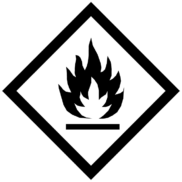

- Wear protective gloves and eye gear.
- Keep away from heat, hot surfaces and open flames.
- Do not smoke when using.
- Keep container tightly sealed.
- Store in well-ventilated area.
Application Instructions
It is very important that you follow the provided instructions for all glidecoat products.
- Prior to applying Glidecoat ALPHA, the areas being coated should be fully prepped. Surface preparation depends on the level of oxidation, swirl marks, scratches, water marks and inconsistencies in the surface. Surface preparation will typically involve a full wash down, and compounding and polishing as needed.
- Note: Coating the surface with any imperfections will lock them in. Also ensure you have removed any wax or silicone from the surface area, as the coating will bond to those particles and as they evaporate, they take the coating with it.
- Wipe all areas to be coated with Glidecoat Surface Wipe or isopropyl alcohol. This product acts as a decontaminant, removing any compound, polish or other residue left on the surface.
- Shake the bottle well before and during use.
- Apply 5-10 drops or a quarter sized amount of Glidecoat ALPHA onto the application sponge. Apply in a 3’ by 3’ area, using an up and down then side to side pattern. After 30 seconds to 1 minute, buff the coating by hand with a microfiber towel. You will feel some stickiness or resistance. During this step you want to feel like you are massaging the ceramic coating into the surface, using medium pressure. This will work the coating into the pores of the surface, while levelling out any high spots. Follow up with a second microfiber towel to ensure that the surface is smooth, consistent, and free of any excess coating.
- Continue this process across all remaining areas to be coated, overlapping each section.
- If you are applying multiple coats, allow a minimum of 1 hour between coats.
- Try to avoid applying Glidecoat ALPHA in direct sunlight. If the surface is hot, this will cause the coating to flash much faster, which could result in streaking or high spots. If you cannot avoid applying the coating in direct sunlight, then we recommend applying more coating to the application sponge or working in smaller sections. If you experience high spots, reapply Glidecoat ALPHA to that area and buff with a microfiber cloth.
- Glidecoat ALPHA will fully cure in 24 hours. Avoid washing with soap for 7 days. If the surface gets wet within the first 24 hours, dry the surface as soon as possible.
Video
Maintenance
One of the most common misinterpretations of a ceramic coating is that they are almost maintenance free, or your boat/vehicle/RV will not get dirty if it has a ceramic coating. That is simply not the case. While ceramic coatings are extremely durable, they require ongoing maintenance to ensure that you are getting the full benefits, protection and longevity out of your ceramic coating. With that being said, the main benefit of having a ceramic coating is that your ongoing maintenance is much easier and more effective (with less effort) than using a traditional wax or sealant.
Washing Schedule
For best results you should wash the coated surface every 2-3 weeks to avoid excessive contamination build-up. We recommend using Glidecoat Ceraglo or Glidecoat Nano Wash. Do not use Dawn soap or high pH detergent style cleaners. Wash from the top down leaving the heaviest soiled sections for last.
Washing Methods
Use a foam gun (optimal), a microfiber wash mitt, or a soft brush to soap down the surface. Rinse off with a pressure washer (optimal) or hose. Dry with clean microfiber towels. Do not use stiff brushes or abrasive washing tools as this will abrade the ceramic coating, decreasing the durability.
Drying
- Glidecoat Shine and Shield is a great drying aid. Using Shine and Shield and one damp microfiber to first dry the surface, followed by a second microfiber to finish drying. This process will give you the best results while leaving behind added protection.
- Always dry completely and never leave to “air” dry. Tap water contains minerals that may leave deposits, creating water spots.
- Use quality microfiber towels (400 GSM optimal) or a shammy for best results, and avoid aggressive wiping, allowing the material to absorb the water.
- Pro Tip - Use a leaf blower to expedite the drying process and help dry the hard to reach areas. This utilizes the coating’s hydrophobic abilities to blow the beaded water off the surface.
Spot Removal
- Never use aggressive products to polish the coating or remove surface contamination.
- Never use excessive force to remove spots.
- Bird droppings, tar, sap, etc. should be removed as soon as possible to avoid temporary staining or hardening on the coating. Any staining left behind from bird dropping will break down over a few days without affecting the coating.
After Washing
Do not wax the coated surfaces, it is unnecessary. In addition, the wax will not bond to the coating.
Glidecoat Shine & Shield or Hydrophobic Spray & Rinse are the recommended maintenance and aftercare products. Both products are developed to further enhance the shine and protect your ceramic coating. We recommend using one of the above products at least every 3-4 months but can be used as often as you like.
FAQ
What is a ceramic coating?
A ceramic coating is a liquid polymer coating that is applied by hand. It is applied in liquid form, allowing the coating to fill in microscopic pores on the surface. After curing, the coating bonds with the surface, creating a hard, semi-permanent barrier. Ceramic coatings provide extreme gloss to the surface, giving a glass like look. Ceramics create a hydrophobic surface, preventing salt and other contaminants from penetrating the pores, making maintenance extremely easy while preventing oxidization.
What is the difference between Glidecoat ALPHA Ceramic Coating and wax?
Glidecoat ALPHA is designed to fill in the pores and bond with the surface to create a hard barrier. It enhances the gloss of the surface, while also providing protection 6 to 8 times longer than wax. On the other hand, when a wax is applied, it simply sits on top of the surface, which only provides short term protection. After wax is applied, when washing, the wax begins to deteriorate and come off the surface. In warm climates, wax starts to evaporate at 110°F.
What separates Glidecoat ALPHA from other ceramic coating products in the market?
Glidecoat ALPHA has been specifically designed for the marine industry, developed to withstand the harsh marine environment. Many other ceramic coatings were8 originally developed for the automotive industry, then sold into the marine industry, making them ineffective and less durable. Unlike other ceramic coatings, Glidecoat ALPHA does not need to be removed before reapplication, you can layer our product which provides even more protection. Glidecoat ALPHA Graphene Ceramic Coating can be safely and easily applied to your boat, car, RV, motorcycle, plane, or PWC. Apply to virtually any hard surface including, gel coat, single stage paint, clear coat, glass, bare metals, powder coated metals, rims, headlights, plexiglass, engine cowling and more! This versatility simplifies the coating process for users who want to protect multiple surfaces on their boat, or multiple vehicles with just one coating. It is also cost effective because we manufacture our own coating, and it is made in America.
Are ceramic coatings permanent?
Nothing is permanent. Ceramic coatings come off through abrasion. The life expectancy of a ceramic coating, is based on a lot of factors, including: storage, seasonal, year-round, exposure to UV, in water, trailered, on a lift, climate to name a few. Following our maintenance program though, will significantly increase the overall performance. In our testing in Southern States, like Florida, ALPHA has shown up to 2 years protection in marine applications and up to 5 years for automotive.
Will my boat/car/RV/plane look brand new again?
Unfortunately, ceramic coatings are not a miracle coating. 9 With the right preparation though it will look new or as close to new as you can get given the age and condition of the surface.
On new surfaces you will get a 10-15% bump in the gloss and shine from factory new. On older vehicles, we have seen readings on a gloss meter (it measures shine by reflecting a light of the surface) go from single digits to north of 90, which is substantial.
Do I need to remove oxidization before applying Glidecoat ALPHA?
Yes. Surface preparation is the most important step prior to applying any ceramic coating. The coating has been designed to enhance and protect the current condition of the surface. If applied over water marks or oxidization, it will lock in these imperfections and make them harder to remove. It is very important to restore the surface, removing any surface imperfections before applying Glidecoat ALPHA.
Will ALPHA Eliminate Water Spots?
A normal drop of water contains a certain amount of dirt or minerals. When water evaporates on your boat’s surface, the minerals are left behind, creating visible spots. Detailers and consumers may assume that the hydrophobic quality and shedding angle will eliminate water spotting, since water slides off the coated surface. While it is true that some water will be repelled from the surface, other water droplets will bead and remain on the surface, creating the opportunity for water spotting.
As long as you rinse with clean water and wipe down with a chamois, spots will be eliminated.
How long does Glidecoat ALPHA last?
With the infusion of graphene, ALPHA is engineered to cure harder for long-term protection. Independent testing has shown up to 2 years protection in marine applications and up to 5 years for automotive. With the use of Glidecoat Marine Shine and Shield or Hydrophobic Spray & Rinse every 3-4 months, you can increase the life span of your ceramic coating.
Does ALPHA peel off?
True ceramic coatings will fill the pores on the surface, however small and then bond directly to the surface making it hydrophobic. It does not peel and is only removed through abrasion.
How can I tell Glidecoat ALPHA is properly applied?
Once applied, there will be a noticeable difference in the shine of the surface. After application the surface should appear to be uniform and feel smooth to touch. If certain areas are not as shiny, apply an additional coat to ensure the surface is uniform. After the coating has cured (48 hours), a great way to test the surface is to spray the coated area with water. If the product has been applied properly, the water will bead-up on the surface. For best results, we recommend applying a minimum of two coats, three coats on highly sun exposed areas in marine applications.
What are the best conditions to apply Glidecoat ALPHA?
For best results we recommend applying in temperatures ranging from 50˚F – 90˚F. This temperature range allows for the easiest application. If you are working in direct sunlight with temperatures exceeding 90˚F, apply the coating in small 2 foot sections at a time. The hotter the surface, the quicker the coating flashes. To ensure the surface is uniform, you must buff the coated area with a microfiber towel immediately after applying the coating. Do not apply in the rain, as it will decrease the effectiveness of the product.
How can I tell the surface is ready for re-application?
You can tell the surface is ready based on how water reacts on the surface. Once water stops beading up on the surface, it is time to reapply. Also, if the surface begins to lose the gloss and shine, this is an indication that Glidecoat ALPHA needs to be reapplied.
What is the process for reapplication?
Unlike other nano coating products, Glidecoat ALPHA does not need to be removed before reapplication. When reapplying, follow these steps:
- Wash boat with Glidecoat Nano Wash.
- Use dual action buffer or rotary buffer to apply Glidecoat Nano Polish.
- Decontaminate surface with Glidecoat Surface Wipe.
- Reapply Glidecoat ALPHA.
In most cases, Glidecoat Nano Compound is not required in reapplication of the coating because the surface will not be heavily oxidized.
What is the recommended maintenance plan for the boat after applying the Glidecoat ALPHA?
Glidecoat ALPHA greatly reduces the time and effort required to maintain your boat. Rinse your boat after each use, this will remove any salt water or scum build up (It is highly recommended to dry or chamois the boat after rinsing to avoid water spots).
We recommend washing the boat with Glidecoat’s Nano Wash and a soft bristled brush every 2-3 weeks, easily removing surface stains. To increase the life of Glidecoat ALPHA, we recommend the use of Shine & Shield or Hydrophobic Spray & Rinse every 3-4 months to add a sacrificial layer which enhances the protective properties and gloss.
Disclaimer
Glidecoat, a division of Onan Technologies Inc.’s maximum liability for or with respect to any damages of any kind to any person, property or otherwise, caused to any customer or any other person as a result of or with respect to any proven breach of any express or implied warranty with respect to any product; misrepresentation with respect to any product; product error, failure or malfunction; formula, engineering or design error; manufacturing or packaging error; labeling error; product failure to perform; or any other act or omission of any kind whatsoever with respect to any product, shall be limited to the price paid by the customer for the product at the time of original purchase (not including shipping, handling, sales taxes or installation services);and product purchase price refund shall be customer’s only claim or remedy arising therefrom.
IN ADDITION TO AND WITHOUT LIMITATION OF THE FOREGOING, GLIDECOAT SHALL NOT BE LIABLE UNDER ANY RULE OR THEORY OF LAW TO ANY CUSTOMER OR ANY OTHER PERSON FOR (A) INCIDENTAL, CONSEQUENTIAL,SPECIAL, PUNITIVE, OR EXEMPLARY DAMAGES OF ANY KIND,INCLUDING BUT NOT LIMITED TO LOSS OF REVENUES, LOSSOF PROFITS, LOSS OF BUSINESS, OR OTHER ECONOMIC DAMAGES, OR (B) ERRORS MADE IN THE HANDLING,STORAGE OR INSTALLATION OR APPLICATION OF ANY PRODUCT, REGARDLESS OF WHETHER ONAN WAS ADVISED OF, KNEW OR OUGHT TO HAVE KNOWN OF THE POSSIBILITY OR RISK OF SUCH LOSSES OR DAMAGES.
Revestimiento de Grafeno Alpha: Instrucciones de Aplicación
Glidecoat ALPHA es un revestimiento cerámico de nivel profesional infundido con grafeno para ofrecer resultados de siguiente nivel, con mejoras significativas en durabilidad, hidrofobicidad, brillo y luminosidad, manteniendo a la vez una aplicación fácil de usar.
Precaución
- Use guantes protectores y protección para los ojos.
- Mantenga alejado del calor, superficies calientes y llamas abiertas.
- No fume mientras lo utiliza.
- Mantenga el contenedor bien sellado.
- Almacene en un área bien ventilada.
Instrucciones de Aplicación
Es muy importante que siga las instrucciones proporcionadas para todos los productos Glidecoat.
- Antes de aplicar Glidecoat ALPHA, las áreas a recubrir deben estar completamente preparadas. La preparación de la superficie depende del nivel de oxidación, marcas de remolino, rayones, manchas de agua e imperfecciones en la superficie. La preparación de la superficie normalmente implica un lavado completo, además de compuesto abrasivo y pulido según sea necesario.
- Nota: Recubrir la superficie con cualquier imperfección hará que quede sellada permanentemente. Asegúrese también de haber eliminado cualquier cera o silicona del área de la superficie, ya que el recubrimiento se adherirá a esas partículas y, al evaporarse, se llevarán el recubrimiento consigo.
- Limpie todas las áreas a recubrir con Glidecoat Surface Wipe o alcohol isopropílico. Este producto actúa como descontaminante, eliminando cualquier residuo de compuesto abrasivo, pulido u otro residuo que quede en la superficie.
- Agite bien la botella antes y durante el uso.
- Aplique de 5 a 10 gotas o una cantidad del tamaño de una moneda de 25 centavos de Glidecoat ALPHA sobre la esponja aplicadora. Aplique en un área de 3' por 3', usando un patrón de arriba hacia abajo y luego de lado a lado. Después de 30 segundos a 1 minuto, pula el recubrimiento a mano con una toalla de microfibra. Sentirá algo de pegajosidad o resistencia. Durante este paso, debe sentir como si estuviera masajeando el recubrimiento cerámico sobre la superficie, usando presión media. Esto ayudará a que el recubrimiento penetre en los poros de la superficie, mientras nivela cualquier punto alto. Continúe con una segunda toalla de microfibra para asegurarse de que la superficie quede lisa, uniforme y libre de exceso de recubrimiento.
- Continúe este proceso en todas las áreas restantes a recubrir, sobreponiendo cada sección.
- Si va a aplicar varias capas, espere un mínimo de 1 hora entre cada capa.
- Trate de evitar aplicar Glidecoat ALPHA bajo la luz solar directa. Si la superficie está caliente, esto hará que el recubrimiento se cure mucho más rápido, lo que podría resultar en marcas o puntos altos. Si no puede evitar aplicar el recubrimiento bajo la luz solar directa, le recomendamos aplicar más producto en la esponja aplicadora o trabajar en secciones más pequeñas. Si presenta puntos altos, vuelva a aplicar Glidecoat ALPHA en esa área y pula con un paño de microfibra.
- Glidecoat ALPHA se curará por completo en 24 horas. Evite lavar con jabón durante 7 días. Si la superficie se moja dentro de las primeras 24 horas, séquela lo antes posible.
Video
* Subtítulos en español disponibles.
Mantenimiento
Uno de los malentendidos más comunes sobre los recubrimientos cerámicos es que son casi libres de mantenimiento, o que su bote, vehículo o RV no se ensuciará si tiene un recubrimiento cerámico. Simplemente no es así. Aunque los recubrimientos cerámicos son extremadamente duraderos, requieren mantenimiento continuo para asegurar que obtenga todos los beneficios, protección y durabilidad de su recubrimiento cerámico. Dicho esto, el principal beneficio de contar con un recubrimiento cerámico es que su mantenimiento continuo es mucho más fácil y efectivo (con menos esfuerzo) que usar una cera o sellador tradicional.
Programa de Lavado
Para obtener mejores resultados, debe lavar la superficie recubierta cada 2 a 3 semanas para evitar una acumulación excesiva de contaminación. Recomendamos usar Glidecoat Ceraglo o Glidecoat Nano Wash. No use jabón Dawn ni limpiadores tipo detergente de pH alto. Lave de arriba hacia abajo, dejando las secciones más sucias para el final.
Métodos de Lavado
Use una pistola de espuma (opción óptima), un guante de lavado de microfibra o un cepillo suave para enjabonar la superficie. Enjuague con una hidrolavadora (opción óptima) o manguera. Seque con toallas de microfibra limpias. No use cepillos duros ni herramientas de lavado abrasivas, ya que esto desgastará el recubrimiento cerámico, reduciendo su durabilidad.
Secado
- Glidecoat Shine and Shield es un excelente auxiliar de secado. Use Shine and Shield con una microfibra húmeda para secar primero la superficie, seguido de una segunda microfibra para terminar el secado. Este proceso le dará los mejores resultados, además de dejar protección adicional.
- Siempre seque por completo y nunca deje que se seque "al aire". El agua de la llave contiene minerales que pueden dejar depósitos, creando manchas de agua.
- Use toallas de microfibra de calidad (400 GSM óptimo) o una gamuza para obtener mejores resultados, y evite frotar de forma agresiva, permitiendo que el material absorba el agua.
- Consejo Profesional - Use un soplador de hojas para acelerar el proceso de secado y ayudar a secar las áreas difíciles de alcanzar. Esto aprovecha las capacidades hidrofóbicas del recubrimiento para soplar el agua perlada fuera de la superficie.
Eliminación de Manchas
- Nunca use productos agresivos para pulir el recubrimiento o eliminar contaminación de la superficie.
- Nunca use fuerza excesiva para eliminar manchas.
- El excremento de aves, el alquitrán, la savia, etc. deben eliminarse lo antes posible para evitar manchas temporales o endurecimiento sobre el recubrimiento. Cualquier mancha dejada por excremento de aves se descompondrá en unos días sin afectar el recubrimiento.
Después del Lavado
No encere las superficies recubiertas, ya que no es necesario. Además, la cera no se adherirá al recubrimiento.
Glidecoat Shine & Shield o Hydrophobic Spray & Rinse son los productos de mantenimiento y cuidado posterior recomendados. Ambos productos están desarrollados para realzar aún más el brillo y proteger su recubrimiento cerámico. Recomendamos usar uno de estos productos al menos cada 3 a 4 meses, aunque puede usarlo con la frecuencia que desee.
FAQ
¿Qué es un recubrimiento cerámico?
Un recubrimiento cerámico es un recubrimiento líquido de polímero que se aplica a mano. Se aplica en forma líquida, permitiendo que el recubrimiento rellene los poros microscópicos de la superficie. Después de curar, el recubrimiento se une a la superficie, creando una barrera dura y semipermanente. Los recubrimientos cerámicos brindan un brillo extremo a la superficie, dándole una apariencia similar al vidrio. Los cerámicos crean una superficie hidrofóbica, evitando que la sal y otros contaminantes penetren los poros, haciendo el mantenimiento extremadamente fácil mientras previenen la oxidación.
¿Cuál es la diferencia entre el Recubrimiento Cerámico Glidecoat ALPHA y la cera?
Glidecoat ALPHA está diseñado para rellenar los poros y unirse a la superficie, creando una barrera dura. Mejora el brillo de la superficie, mientras que también ofrece una protección de 6 a 8 veces más duradera que la cera. Por otro lado, cuando se aplica una cera, esta simplemente se queda sobre la superficie, lo que solo ofrece una protección a corto plazo. Después de aplicar la cera, al lavar, la cera comienza a deteriorarse y a desprenderse de la superficie. En climas cálidos, la cera empieza a evaporarse a los 110°F (43°C).
¿Qué distingue a Glidecoat ALPHA de otros productos de recubrimiento cerámico en el mercado?
Glidecoat ALPHA ha sido diseñado específicamente para la industria marina, desarrollado para resistir el duro ambiente marino. Muchos otros recubrimientos cerámicos fueron desarrollados originalmente para la industria automotriz, y luego se vendieron para la industria marina, lo que los hace menos efectivos y menos duraderos. A diferencia de otros recubrimientos cerámicos, Glidecoat ALPHA no necesita eliminarse antes de volver a aplicarlo; puede aplicar capas de nuestro producto, lo que brinda aún más protección. El Recubrimiento Cerámico Glidecoat ALPHA con Grafeno se puede aplicar de forma segura y sencilla en su bote, automóvil, RV, motocicleta, avión o moto acuática (PWC). Se puede aplicar prácticamente en cualquier superficie dura, incluyendo gel coat, pintura de una sola capa, clear coat, vidrio, metales sin recubrir, metales con recubrimiento en polvo, rines, faros, plexiglás, cubierta del motor ¡y mucho más! Esta versatilidad simplifica el proceso de recubrimiento para quienes desean proteger múltiples superficies de su bote, o varios vehículos, con un solo producto. También resulta rentable, ya que fabricamos nuestro propio recubrimiento, hecho en Estados Unidos.
¿Son permanentes los recubrimientos cerámicos?
Nada es permanente. Los recubrimientos cerámicos se desgastan por abrasión. La duración esperada de un recubrimiento cerámico depende de muchos factores, incluyendo: almacenamiento, uso estacional o durante todo el año, exposición a rayos UV, en el agua, en remolque, sobre un elevador, el clima, entre otros. Sin embargo, seguir nuestro programa de mantenimiento aumentará significativamente el rendimiento general. En nuestras pruebas en estados del sur, como Florida, ALPHA ha demostrado hasta 2 años de protección en aplicaciones marinas y hasta 5 años en aplicaciones automotrices.
¿Mi bote, auto, RV o avión se verá como nuevo otra vez?
Desafortunadamente, los recubrimientos cerámicos no son un recubrimiento milagroso. Sin embargo, con la preparación adecuada, se verá nuevo o lo más cercano posible a nuevo, dependiendo de la edad y condición de la superficie.
En superficies nuevas, obtendrá un aumento del 10 al 15% en el brillo y lustre respecto al acabado de fábrica. En vehículos más antiguos, hemos visto lecturas en un medidor de brillo (que mide el brillo reflejando luz sobre la superficie) pasar de un solo dígito a más de 90, lo cual es sustancial.
¿Necesito eliminar la oxidación antes de aplicar Glidecoat ALPHA?
Sí. La preparación de la superficie es el paso más importante antes de aplicar cualquier recubrimiento cerámico. El recubrimiento ha sido diseñado para realzar y proteger la condición actual de la superficie. Si se aplica sobre manchas de agua u oxidación, sellará estas imperfecciones permanentemente y hará que sean más difíciles de eliminar. Es muy importante restaurar la superficie, eliminando cualquier imperfección, antes de aplicar Glidecoat ALPHA.
¿ALPHA Elimina las Manchas de Agua?
Una gota de agua normal contiene cierta cantidad de suciedad o minerales. Cuando el agua se evapora sobre la superficie de su bote, los minerales quedan atrás, creando manchas visibles. Los detailers y consumidores pueden suponer que la calidad hidrofóbica y el ángulo de deslizamiento eliminarán las manchas de agua, ya que el agua se desliza sobre la superficie recubierta. Si bien es cierto que parte del agua será repelida de la superficie, otras gotas de agua se perlarán y permanecerán sobre la superficie, creando la posibilidad de manchas de agua.
Siempre y cuando enjuague con agua limpia y seque con una gamuza, las manchas se eliminarán.
¿Cuánto dura Glidecoat ALPHA?
Gracias a la infusión de grafeno, ALPHA está diseñado para curar con mayor dureza y ofrecer protección a largo plazo. Pruebas independientes han demostrado hasta 2 años de protección en aplicaciones marinas y hasta 5 años en aplicaciones automotrices. Con el uso de Glidecoat Marine Shine and Shield o Hydrophobic Spray & Rinse cada 3 a 4 meses, puede aumentar la vida útil de su recubrimiento cerámico.
¿ALPHA se despega?
Los recubrimientos cerámicos verdaderos rellenan los poros de la superficie, por pequeños que sean, y luego se adhieren directamente a la superficie, haciéndola hidrofóbica. No se despega y solo se elimina por abrasión.
¿Cómo puedo saber si Glidecoat ALPHA está correctamente aplicado?
Una vez aplicado, habrá una diferencia notable en el brillo de la superficie. Después de la aplicación, la superficie debe verse uniforme y sentirse suave al tacto. Si ciertas áreas no están tan brillantes, aplique una capa adicional para asegurar que la superficie quede uniforme. Después de que el recubrimiento haya curado por completo (48 horas), una excelente forma de probar la superficie es rociar el área recubierta con agua. Si el producto se aplicó correctamente, el agua se perlará sobre la superficie. Para obtener mejores resultados, recomendamos aplicar un mínimo de dos capas, tres capas en áreas con alta exposición solar en aplicaciones marinas.
¿Cuáles son las mejores condiciones para aplicar Glidecoat ALPHA?
Para obtener mejores resultados, recomendamos aplicar en temperaturas de entre 50˚F y 90˚F (10°C a 32°C). Este rango de temperatura permite la aplicación más fácil. Si está trabajando bajo luz solar directa con temperaturas superiores a los 90˚F (32°C), aplique el recubrimiento en pequeñas secciones de 2 pies (60 cm) a la vez. Entre más caliente esté la superficie, más rápido curará el recubrimiento. Para asegurar que la superficie quede uniforme, debe pulir el área recubierta con una toalla de microfibra inmediatamente después de aplicar el recubrimiento. No lo aplique bajo la lluvia, ya que esto reducirá la efectividad del producto.
¿Cómo puedo saber si la superficie está lista para volver a aplicar el recubrimiento?
Puede saber si la superficie está lista observando cómo reacciona el agua sobre ella. Cuando el agua deja de perlarse sobre la superficie, es momento de volver a aplicar el recubrimiento. Además, si la superficie comienza a perder brillo y lustre, esto es una señal de que Glidecoat ALPHA necesita volver a aplicarse.
¿Cuál es el proceso para volver a aplicar el recubrimiento?
A diferencia de otros productos de recubrimiento nano, Glidecoat ALPHA no necesita eliminarse antes de volver a aplicarse. Al volver a aplicarlo, siga estos pasos:
- Wash boat with Glidecoat Nano Wash.
- Use dual action buffer or rotary buffer to apply Glidecoat Nano Polish.
- Decontaminate surface with Glidecoat Surface Wipe.
- Reapply Glidecoat ALPHA.
In most cases, Glidecoat Nano Compound is not required in reapplication of the coating because the surface will not be heavily oxidized.
¿Cuál es el plan de mantenimiento recomendado para el bote después de aplicar Glidecoat ALPHA?
Glidecoat ALPHA greatly reduces the time and effort required to maintain your boat. Rinse your boat after each use, this will remove any salt water or scum build up (It is highly recommended to dry or chamois the boat after rinsing to avoid water spots).
We recommend washing the boat with Glidecoat’s Nano Wash and a soft bristled brush every 2-3 weeks, easily removing surface stains. To increase the life of Glidecoat ALPHA, we recommend the use of Shine & Shield or Hydrophobic Spray & Rinse every 3-4 months to add a sacrificial layer which enhances the protective properties and gloss.
Aviso Legal
La responsabilidad máxima de Glidecoat, una división de Onan Technologies Inc., por o con respecto a cualquier daño de cualquier tipo a cualquier persona, propiedad u otro, causado a cualquier cliente o cualquier otra persona como resultado de o con respecto a cualquier incumplimiento comprobado de cualquier garantía expresa o implícita con respecto a cualquier producto; declaración falsa con respecto a cualquier producto; error, falla o mal funcionamiento del producto; error de fórmula, ingeniería o diseño; error de fabricación o empaque; error de etiquetado; falla del producto en su desempeño; o cualquier otro acto u omisión de cualquier tipo con respecto a cualquier producto, se limitará al precio pagado por el cliente por el producto al momento de la compra original (sin incluir envío, manejo, impuestos sobre ventas o servicios de instalación); y el reembolso del precio de compra del producto será el único reclamo o remedio del cliente que surja de ello.
ADEMÁS DE LO ANTERIOR Y SIN LIMITARLO, GLIDECOAT NO SERÁ RESPONSABLE, BAJO NINGUNA REGLA O TEORÍA LEGAL, ANTE NINGÚN CLIENTE U OTRA PERSONA POR (A) DAÑOS INCIDENTALES, CONSECUENTES, ESPECIALES, PUNITIVOS O EJEMPLARES DE CUALQUIER TIPO, INCLUYENDO PERO NO LIMITADO A PÉRDIDA DE INGRESOS, PÉRDIDA DE GANANCIAS, PÉRDIDA DE NEGOCIO U OTROS DAÑOS ECONÓMICOS, O (B) ERRORES COMETIDOS EN EL MANEJO, ALMACENAMIENTO, INSTALACIÓN O APLICACIÓN DE CUALQUIER PRODUCTO, INDEPENDIENTEMENTE DE SI ONAN FUE ADVERTIDA, SUPO O DEBIÓ HABER SABIDO DE LA POSIBILIDAD O RIESGO DE DICHAS PÉRDIDAS O DAÑOS.
Bientôt disponible